

Most Australians who walk into a licensed venue or log into a local-facing product already know the odds are stacked against them. The difference between a night that stays fun and a night that turns into a spreadsheet headache is usually a plan. This guide looks at how to bet smart at the casino with a plan, starting from the moment you decide what you can afford to lose and ending with how you walk away. We keep the focus on decisions you can actually control, not on chasing luck.
What a real betting plan covers before the first spin

A plan is not a secret system for beating the house. It is a set of limits and rules you write down before you sit down, so you are not making money choices while your emotions are running hot. In my experience running comparison products across regulated markets, the operators that survive long term are the ones that make their terms readable and their cashier transparent, and the players who last are the ones who treat their bankroll like a budget rather than a target. That mindset matters just as much here as it does in any jurisdiction I have worked in.
Start with the amount you are comfortable losing in a single session, not the amount you hope to win. That figure should be money you can afford to set aside without it affecting rent, bills, or the savings you are putting toward something real. Once you have that number, split it into smaller chunks so a bad run does not wipe you out in one sitting. A simple approach is to decide your maximum loss for the night, then set a separate stop point for a win that keeps you ahead without getting greedy.
Penny slots often cost far more than a cent once all lines are played, so the headline bet on the screen can be a poor guide to what you are actually risking per spin. That is exactly the kind of detail a plan needs to account for, because a machine that looks cheap can drain a session faster than you expect if you are hitting every line. Write down the real per-spin cost, the game type, and the maximum you will spend on that title before you switch or stop. If you are playing table games, the same logic applies to your stake size relative to your session bankroll, not to the table minimum alone.
A good plan also includes a time limit, because fatigue makes people sloppy with their decisions. Set an alarm if you need to, and decide in advance what you will do when it goes off. The goal is to leave while you can still think clearly, not to keep going until you are chasing losses or riding a hot streak that may not hold.
When the alarm sounds, step away from the table and review your daily limits, just as disciplined investors track their portfolio performance. You can read more about balancing short-term wins with long-term strategy at casino winnings and investing. Treating your time and money with the same structured approach ensures you leave with more than just a fleeting thrill.
How to structure your bankroll and your exits
Decide your session ceiling and your win target
Your session ceiling is the absolute most you will lose before you walk away, no matter what happens. Your win target is a separate number that tells you when you will stop while you are ahead. These two figures work together because they stop you from turning a decent session into a give-back by staying too long. In regulated Serbian comparison work I have seen players lose more to overstay than to bad odds, simply because they had no rule for stopping on a win.
Keep the two numbers visible, either on your phone or on a note in your pocket, and treat them as fixed for that session. If you hit your ceiling, you stop without exception. If you hit your win target, you stop unless you had already planned a smaller follow-up session with a fresh ceiling. The point is to make the decision before the game is running, when your head is clearer and your money is still in your pocket.
Match your stakes to the game and the real cost per round
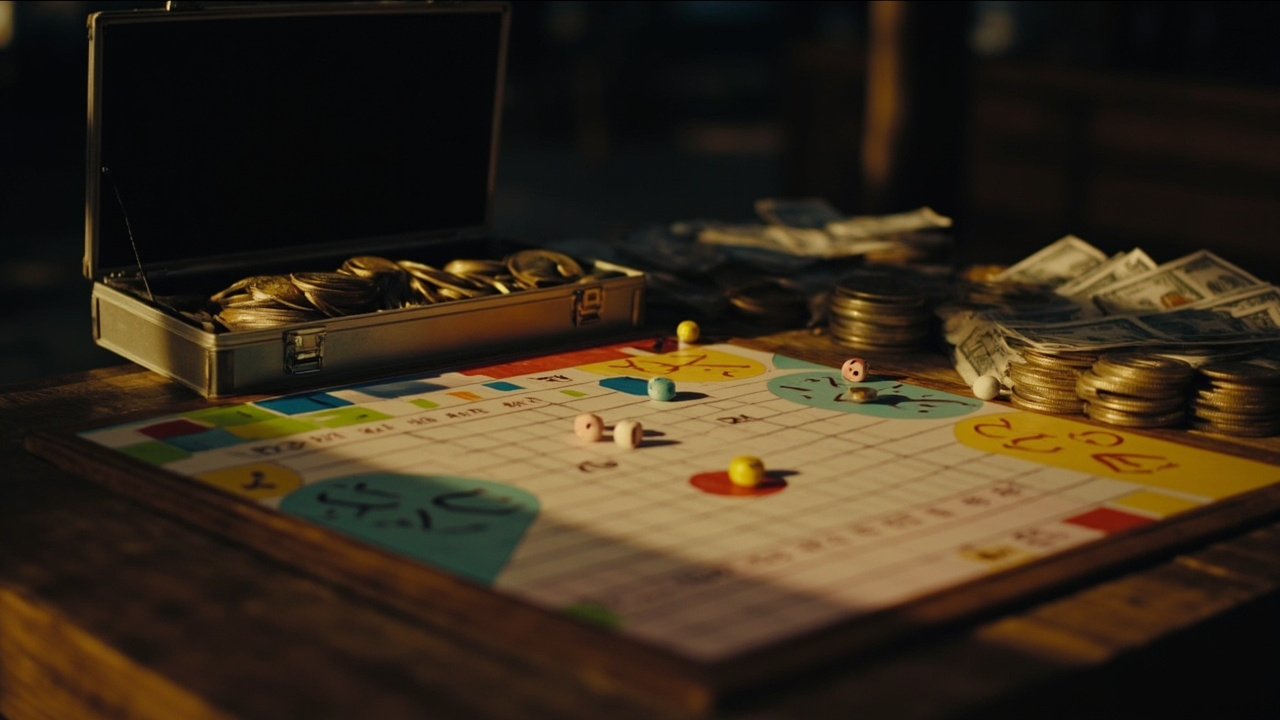
Different games ask for different discipline. A slot with a low headline bet can still be expensive once you account for the number of lines and the bonus features, so check the actual cost per spin before you commit. Table games and live dealer titles usually have a more obvious stake structure, which makes it easier to keep your session math straight. If you are playing anything with dice, remember that “bones” is old slang for dice, dating to their bone origins, and the terminology does not change the fact that the house edge is built into the rules, not into your mood.
A sensible player sizes each bet so that a normal losing run does not blow through the session ceiling too quickly. That usually means keeping individual stakes small relative to the total you have set aside for the night. It also means avoiding the temptation to raise your bet size because you feel due for a win. The plan is there to keep your stake size steady, not to let it drift upward when you are frustrated or excited.
Linking your plan to how you pay, verify, and cash out
A plan only works if the way you move money in and out is straightforward enough to stick to. In an Australian context, that means checking which deposit methods the product accepts, whether it handles AUD directly, and how long verification and withdrawals actually take once you request them. The details matter because a slow or opaque cashier makes it harder to follow your own rules, especially if you are trying to stop on a win and get your funds out without a pile of extra steps.
Look for a product that shows its deposit and withdrawal flow clearly, including any limits, processing windows, and the documents it expects for verification. If you are playing on mobile, check that the cashier is usable on a phone and that the same account details carry through without you having to re-enter everything. Good support matters here too, because a clear answer about processing times is worth more than a glossy homepage when you are trying to manage your session responsibly.
If you want to think about what happens after a winning session, the longer view is covered in Turning Casino Winnings Into A Smarter Financial Plan, which walks through how to treat a lucky night as part of a broader budget rather than as a new income stream. That kind of follow-through is what turns a one-off session into a habit you can live with, instead of a rollercoaster that leaves you wondering where the money went.
Verdict
The smartest bet at a casino is the one you made before you played, because it keeps your money, your time, and your emotions under your own control. Set a session ceiling, set a win target, check the real cost per round, and make sure the cashier and verification process are simple enough that you can actually follow your own rules. Do that consistently and you give yourself a much better chance of walking away satisfied, whether you are at a pokies machine, a table, or a mobile title you opened on a quiet arvo. queen of the nile 2
- Write down your session ceiling and your win target before you deposit anything.
- Check the real cost per round on the game you want to play, including lines or side features.
- Size each stake so a normal losing run does not burn through your ceiling too quickly.
- Decide your time limit and set a reminder so you stop while you can still think clearly.
- Confirm the deposit method, currency, and withdrawal flow before you start, so your exit is not a mystery.
- Stop at your ceiling or your win target, whichever comes first, and do not raise your stakes to chase either result.

